
A Sense of Grip That Fades Too Slowly
What worn tires and fading road grip teach a driver about spotting early warning signs‚ reacting calmly and staying steady on the road.
The Difference Between Physical Grip and Mental Grip
On the road‚ grip is measured by the contact between the tires and the road surface; in the mind‚ it is measured by the connection between a sense of security and reality. When a car loses grip‚ it can skid even at low speed‚ and the natural reaction is to fight the steering wheel. The same thing happens in life - when something slips out of control‚ the urge is to hold on tighter instead of easing off a little and letting stability gradually return. Real grip‚ in the broad sense‚ depends not on strength but on attentiveness.
Gradual Wear That the Eye Can't See
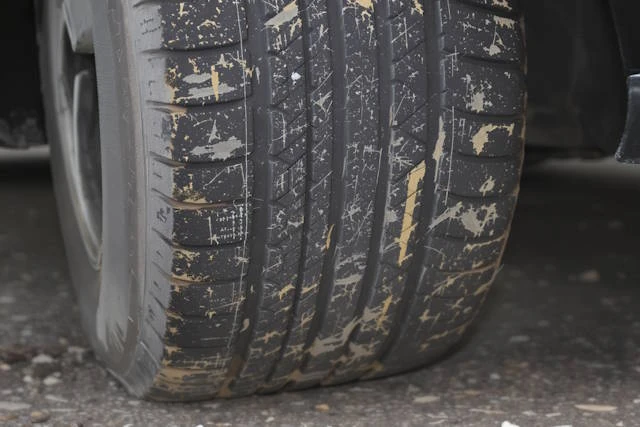
Tire wear happens slowly. A thin layer disappears with every drive‚ until one day it turns out the grip is almost gone. The same goes for an inner sense of confidence - pressure‚ routine and stress build up without us noticing. If you don't stop to check‚ the wear becomes almost imperceptible. Responsible driving includes regular tire checks‚ and responsible care for your mind includes checking your inner calm. Otherwise‚ the warning only comes when it is already too late.
Choosing a Response Instead of a Reaction
When grip disappears‚ the temptation is to react sharply - braking hard or yanking the steering wheel. But in such situations it is a gentle‚ controlled response that saves the day. The same principle applies on an emotional level: when something goes wrong‚ it is easy to react quickly under pressure‚ but the wise thing is to pause for a moment‚ breathe and choose a considered action. This emotional discipline prevents unnecessary skids and restores a sense of stability.
The Importance of Preventive Maintenance
New tires are no guarantee of perfect grip. A dry road or a familiar route can still turn into a skid if attention slips. In the same way‚ even strong‚ self-assured people can find themselves losing their grip at moments of fatigue or prolonged routine. Preventive maintenance - whether for a car or for the mind - means checking proactively rather than waiting for warning signs.
How External Conditions Affect Grip
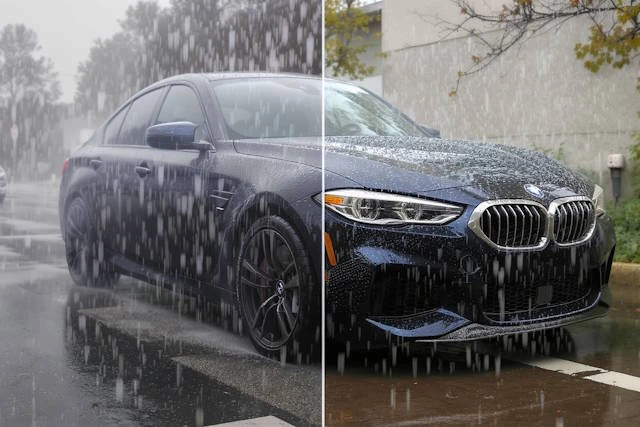
No driver can control the weather‚ a wet road or accumulating dust. In life‚ too‚ you can't control every outside circumstance. But you can control how prepared you are. Just as you slow down in the rain‚ you can slow your inner pace when you feel emotionally overloaded. Recognizing that conditions change is a strength in itself. Those who understand this move through the world calmly - not out of fear but out of caution based on understanding.
The Fine Line Between Overconfidence and Losing Grip
One of the biggest dangers on the road is overconfidence. When everything seems familiar - the road‚ the turns‚ the car - it is easy to forget that the road changes every moment. In other areas‚ too‚ the moment when it seems there is nothing to worry about is sometimes the moment when the decline begins. Real confidence is built not by ignoring dangers but by being able to spot them in time.
The Role of a Slow‚ Mindful Response
When grip disappears‚ sharp movements only make things worse. Rescue comes from a gentle‚ focused and steady response. This is exactly how you can deal with losing your emotional grip too - not by struggling‚ but by breathing. A mindful response allows control to return step by step. It shows that real strength lies not in force but in awareness.
Learning from Moments of Instability
Every skid‚ even a momentary one‚ teaches something. After a moment of lost grip‚ the brain remembers the limit and recognizes it in the future. The same is true for the mind - moments of insecurity or confusion are an important lesson. They let you learn what caused you to lose your balance and improve your grip next time. There is no way to understand stability without tasting a little instability.
The Link Between Calm and Stability
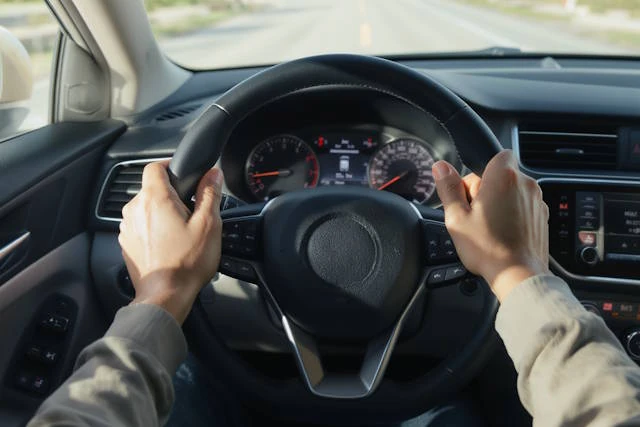
Experienced drivers know that the best way to keep grip is to stay calm. When the body is relaxed‚ the hands are steady and the breathing is even‚ the car responds more smoothly too. It is exactly the same in life - calm prevents skids. Those who act from a place of calm respond to changing situations in a measured way and stay stable even in times of uncertainty.
Shared Responsibility on the Road and in Life
Keeping grip is not just a personal matter. The road is an integrated system‚ and every driver affects the others. One car skidding can endanger many. The same principle holds in relationships‚ at work and in society at large - when one person loses their grip‚ those around them feel it. Responsibility is collective‚ and sensitivity to others is the way to keep a shared grip.
Summary
A sense of grip that fades too slowly reminds us how important it is to spot early signs - on the road and in life. It teaches that stability cannot be taken for granted‚ and that keeping it requires attention‚ preventive maintenance and calm. Each of those moments when we lose grip can become a point of strength‚ if we know how to stop‚ understand and gradually get back on track. In the end‚ the ability to stay stable is not just a technical skill - it is an art of presence‚ attentiveness and gentle control that lets you keep moving with confidence even when the road itself changes.