
A Meal That Plans Itself as You Go
How to cook without a recipe or a strict plan - improvising‚ trusting your senses‚ using what you already have and enjoying cooking together.
The Magic of Improvisation
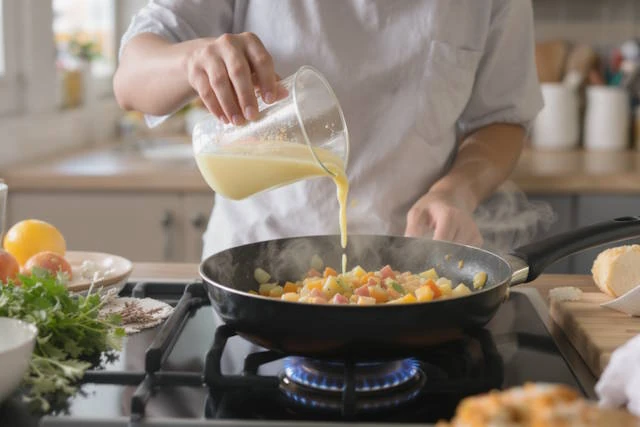
A meal that plans itself starts with improvisation. Not out of disorganization‚ but out of freedom. When you look at what is in the fridge or the pantry and let your imagination lead‚ you discover that flavor is born not of perfection but of connection. A few leaves left over from a salad‚ a last slice of cheese or a single lonely vegetable can become the centerpiece of a surprising culinary creation. Improvisation frees you from templates and from the need to be precise about every detail‚ and opens the door to inspiration that arises as you go.
Listening to the Moment and to Intuition
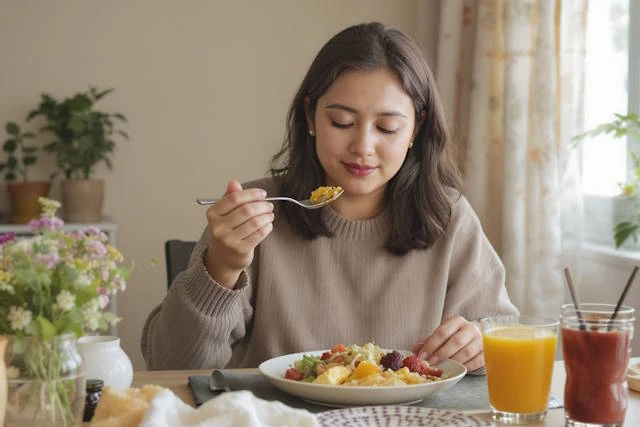
Intuitive cooking requires attention - to smell‚ to texture‚ to color. When you cook without a rigid plan‚ there is an opportunity to notice the small details. Maybe the soup needs a little more acidity‚ maybe the dough wants another moment of rest. The meal "talks" through the senses. The quiet between one stir and the next lets you take in what is really happening. The kitchen becomes a place of full experience‚ where the moment leads rather than a list of steps. This is how living cooking is born - cooking that changes every time but always feels right.
Letting Go of the Need for Perfection
One of the reasons many people try too hard in the kitchen is the wish to impress. But it is precisely when you let go of the pursuit of perfection that real creativity happens. A meal that plans itself is not measured by exact quantities or timing‚ but by the moment it connects with the personal taste of the diners. It does not pretend to be perfect - it is simply good‚ tasty and right for that moment. This simplicity releases tension‚ creates real enjoyment and brings back the true meaning of cooking - pleasure‚ connection and love.
The Advantage of Using What You Have
Cooking through improvisation encourages creative thinking and smart use of what is already on hand. It is not only about convenience but also about a way of seeing the world. When you let the existing ingredients lead‚ you reduce waste and rediscover forgotten ingredients. Suddenly half an onion‚ leftover rice or a handful of herbs become the heroes of the dish. This approach creates a deeper connection to food‚ based on the understanding that every ingredient deserves a second chance. It is also a reminder that simplicity and thrift can produce results rich in flavor and soul.
Harmony That Comes from the Right Combination
When you cook without planning ahead‚ a different kind of balance emerges - one that comes from feeling. There is something natural about combining sour and spicy‚ sweet and salty‚ cold and juicy. Harmony does not come from the recipe but from the sensory experience. Cooking becomes a dance between the ingredients‚ and the meal becomes a creation that takes shape in real time. Sometimes a small mistake‚ like over-seasoning or mixing too early‚ actually brings a surprisingly good flavor. This is how a depth is created that could not have been predicted in advance.
The Energy of the Kitchen in Real Time
Spontaneous cooking brings a different energy - light‚ lively and breathing. There is none of the tension of "will it work" or "will it look exactly like the picture". Instead‚ there is playfulness‚ curiosity and a sense of adventure. The kitchen becomes a place of flow‚ where every step grows out of the previous one. A smell filling the room‚ a taste checked with a spoon‚ the sound of bubbling oil - all of these turn the meal into a journey of the senses. This energy reaches the diners too‚ who feel that the food was made with love and not under pressure.
The Value of Ease and Attention
When the meal plans itself‚ the pace changes too. There is no need to rush‚ measure or check every second. Cooking becomes a relaxed process with time to feel. It is a chance to step out of the race for a moment - to smell‚ to taste‚ to breathe. The kitchen becomes a space that calms the mind and lets you feel the present. Even if something goes wrong‚ it gets fixed naturally - a little more spice‚ a twist of lemon or a change of temperature. Everything balances out calmly‚ and the final flavor feels complete.
Food as Part of the Human Experience
A meal that develops as you go is also a form of communication. Family members‚ friends or couples who are together in the kitchen take part in a shared creation. Everyone adds something - seasoning‚ an idea‚ a personal touch. There is no hierarchy of "chef versus tasters"‚ only a shared experience. This is cooking that brings people closer together and creates a language of smell and taste that replaces words. This human experience is what makes every meal special‚ even when the ingredients themselves are everyday and simple.
The Memories Made Along the Way
It is the unplanned meals that are etched into memory. Not because of the recipe‚ but because of the atmosphere. It is the moment when someone adds "just a little more salt"‚ someone else stirs the wrong pot by mistake‚ and in the end a wonderful dish comes out that no one can explain. These moments capture the essence of cooking - not control‚ but release. Not careful planning‚ but life at its fullest‚ in smell‚ color and taste.
In Conclusion
A meal that plans itself as you go is much more than spontaneous cooking. It is an approach of flow‚ openness and trust - both in yourself and in the ingredients. It teaches that every meal can be an experience‚ if you just let the ingredients‚ the time and the feeling work together. In a world full of instructions‚ measurements and perfect photos‚ this kind of meal is a reminder that true beauty lies in the moment‚ in the unexpected flavor and in the joy of living creation. Sometimes it is exactly when you stop planning that the best meals of your life come out.