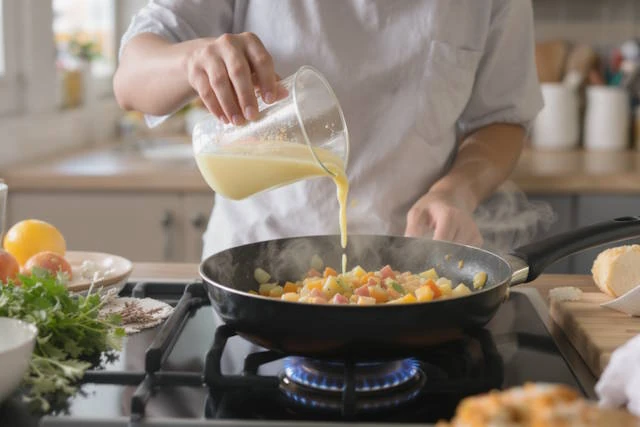

When Simplicity Brings Depth of Flavor
Simple cooking relies on quality ingredients‚ precision and calm - the very things that create deep flavor without needless complexity.
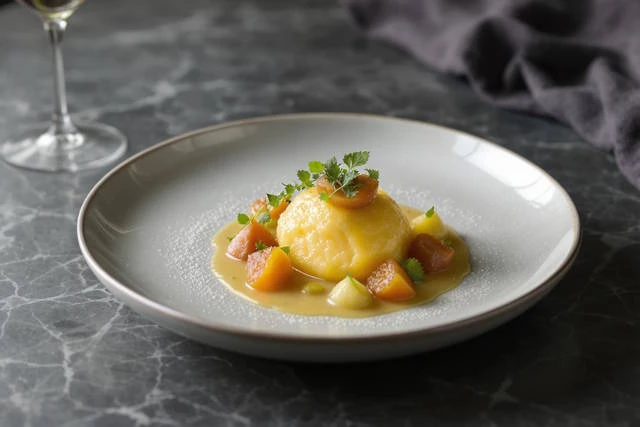
The Power of Quality Ingredients
The foundation of simplicity in the kitchen is trust in the ingredients themselves. When you choose a ripe tomato‚ good olive oil or a well-made local cheese‚ there is almost no need for further sophistication. Every flavor speaks for itself. Chefs who understand this value know when to stop and when not to pile on seasoning or technique just to impress. This simplicity does not come from laziness but from a deep understanding of balance. It is precisely those who know the craft of cooking well who know when less is more and when to let a single ingredient take center stage and light up the whole dish.
Flavors Born from Precision
When people talk about simplicity‚ it is easy to think of something too basic - but the truth is the opposite. Simple dishes actually demand the greatest precision. A perfect omelet‚ a clean risotto or a vegetable salad with a delicate dressing are all measured by the precision of texture‚ heat and saltiness. Every small mistake stands out immediately. To bring real depth to a flavor‚ you need complete control over the small details. That is where the art of simple cooking lies: knowing when to stop‚ when to stir and when to simply let the food speak quietly.
The Connection Between Simplicity and Nostalgia
The smell of a familiar stew or homemade soup can stir stronger emotions than any sophisticated dish. Simplicity has the power to connect us to childhood memories‚ to moments of warmth and love. This is food that feels real because it does not try to impress but to touch. Every culture in the world has simple dishes that represent it - chicken soup‚ pasta with tomato sauce‚ falafel or spiced rice. These are not just flavors but stories of home and of people. Through simple food you can understand an entire culture‚ which is why it always stays relevant.
The Calm That Comes with a Natural Process
Slow cooking‚ kneading by hand or careful chopping create not only flavor but also a feeling. A simple‚ unhurried process allows the cook to be present - to feel the texture‚ hear the sound of the oil and smell the moment when an ingredient is ready at exactly the right point. There is no need for sophisticated gadgets to create deep flavor; time‚ attention and patience are enough. When cooking is done from a place of calm rather than pressure‚ the result almost always tastes better. Simplicity allows a deeper connection between people and the food they create.
Combining Tradition and Innovation
Simplicity is not at odds with innovation. On the contrary - it allows innovation to shine in the right way. A chef who knows how to respect the basics can add a small twist that changes everything. A new flavor comes from a gentle touch‚ not from excess. This is how you find dishes based on ancient recipes but served in a contemporary way - a combination of tradition and creativity that respect each other. Innovation does not come to erase simplicity but to show it from a different angle - gentle‚ sensitive and right for its time.
The Connection Between Taste and Emotion
Simple food knows how to speak to the emotions. Basic flavors - sweet‚ salty‚ tangy - create a direct experience that needs no interpretation. When food is free of needless complexity‚ the senses experience it fully. Deep flavor comes not only from the ingredients but from the connection between the food and memories‚ scents and the people around the table. Sometimes a simple meal at home with loved ones leaves a stronger impression than any fancy restaurant. There‚ among the everyday plates‚ the real magic of flavor happens.
The Difference Between Simple and Simplistic
There is a subtle but important difference between simplicity and being simplistic. Simplicity is the result of a conscious choice and a deep understanding of the essence of flavor‚ while being simplistic comes from a lack of thought. A simple kitchen is one that thinks about every detail‚ even if it looks uncomplicated. It is a process of clearing away the unnecessary in order to keep what really matters. True simplicity requires a high level of understanding and skill - knowing exactly how much salt to add‚ when to turn off the heat and how to keep the balance. It is not a lack of effort but an art of precision.
When Food Becomes a Language of Presence
Simple food lets you feel truly present in the moment. There is no need for elaborate plating or special effects - just a plate that speaks to the heart. When there are no gimmicks to distract you‚ there is room to listen to yourself‚ to your senses and to the ingredients themselves. Every such meal is an opportunity to experience quiet‚ connection and gratitude for the little things. In a sense‚ simplicity in the kitchen resembles meditation: the simpler the ingredients‚ the sharper your attention to the small details that make every bite unique.
The Depth That Comes from Combining Flavor and Balance
Depth of flavor comes from precise balance‚ not from a multitude of ingredients. When every component of a dish contributes to the whole‚ a harmony is created that you can feel on your tongue. This is as true of Mediterranean cuisine as it is of Asian or European cooking - wherever people understand the power of simplicity‚ they know that depth is not measured by the number of ingredients but by the way they work together. Just as in music‚ the simplest notes are the ones that can touch the deepest - when they are precise and reach the heart.
In Conclusion
Simplicity in the kitchen is not just a style of cooking but an approach to life. It teaches attentiveness‚ precision and appreciation for what already exists. It reminds us that not everything has to be sophisticated to be deep‚ and that real flavor comes from the right combination of love‚ good ingredients and patient breathing. In a world quick to be impressed by complexity‚ simplicity brings us back to the essence - to the original taste‚ to good intentions and to the moment when food turns from a dish on a plate into a complete experience that connects body and soul.