
The Personal Responsibility That Does Not Always Show on Paper
Why personal responsibility matters beyond any contract - the line between law and morality‚ trust‚ public office and conduct online.

The Line Between Law and Morality
Not everything that is legal is necessarily moral‚ and not everything that is moral is written into law. Society is built on the understanding that these two areas should complement each other. Personal responsibility fills that gap - it is what drives a person to act with integrity even when no one is watching. When a person fulfills a commitment not only because they must‚ but because they see it as an expression of their values‚ they strengthen the social fabric. The law can punish wrongdoing‚ but only inner responsibility can prevent it in the first place.
The Meaning of Responsibility in Contracts and Agreements
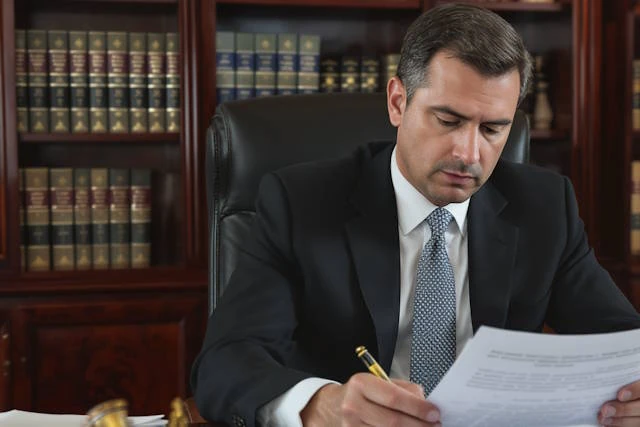
Every legal document is meant to regulate relations between parties‚ but the document itself is no guarantee that the agreements will be kept. Someone who sees no value in their commitment beyond obligation may look for loopholes or ways to get around the spirit of the agreement. By contrast‚ a person who understands the meaning of personal responsibility sees every clause as a deep commitment to trust‚ not only to trade. This creates a society in which words on paper carry the weight of a word given wholeheartedly. A real contract‚ however well written‚ rests on sincere intent.
Responsibility Toward Others in Everyday Situations
Personal responsibility is not reserved for legal or business people - it shows in every daily action. Careful driving‚ telling the truth‚ respecting other people's privacy or being on time are all expressions of the same deep understanding that behind every small act lies a big impact. Sometimes it is precisely the small‚ unseen acts that strengthen social trust. A person who acts out of personal responsibility contributes to the stability of the community‚ even if no one will ever check them on it.
The Responsibility of Public Office Holders
Office holders‚ whether in the public or the private sector‚ bear a double responsibility - both legal and moral. The public expects them to set an example‚ maintain transparency and understand that their decisions affect many people. While the law defines what is allowed and what is forbidden‚ personal responsibility requires weighing what is right and proper as well. Leaders‚ managers and public servants are judged not only by results but also by the way they acted. Public trust is built exactly in the places where personal responsibility is expressed even when it is not explicitly required.
Responsibility That Begins with Thought
Before every action there is a thought. That is where real responsibility begins. A responsible person asks how their actions will affect others‚ and not only how they will serve themselves. This way of thinking changes how decisions are made - whether it is a deal‚ a relationship or everyday conduct. Personal responsibility begins even before a commitment is made; it is the ability to look beyond immediate interest and consider the bigger picture.
The Challenge of Enforcing Personal Responsibility
Unlike the law‚ which can be enforced‚ personal responsibility cannot be measured. It is impossible to force a person to be truly decent‚ but it is possible to encourage a culture in which honesty and keeping your word become accepted values. This is where education‚ personal example and an environment that encourages responsibility come in. The legal system can punish irresponsibility‚ but only society itself can value those who act out of deep responsibility.
Responsibility in the Digital Age
The online world blurs the boundaries of responsibility. A single click can expose personal information‚ damage a reputation or spread a rumor. In an age when everything is accessible and fast‚ personal responsibility becomes even more critical. Protecting privacy‚ avoiding the spread of unverified information and understanding that every comment online carries weight are all part of the same responsibility that does not show on paper but is measured in deeds. Precisely because the digital space is free‚ it demands stronger inner discipline.
Responsibility as the Basis of Trust Between People
Trust is one of the most important assets in society‚ and it is built on mutual responsibility. When people know they can rely on one another‚ relationships - business‚ social or family - become more stable and resilient. Personal responsibility is not only a matter of morality but of social stability. A society in which personal responsibility is considered a self-evident value has no need for tight supervision‚ because the values themselves serve as an inner control mechanism.
The Link Between Responsibility and Liberty
Responsibility does not limit freedom - it makes it possible. True liberty can exist only when a person understands the consequences of their actions and acts with judgment. Without responsibility‚ freedom turns into anarchy. Understanding that every decision affects not only the individual but also their surroundings is what allows a society to function in harmony. Freedom without responsibility is an illusion; responsibility without freedom is coercion. The balance between them is what creates a just society.
In Conclusion
The personal responsibility that is not written on paper may be the most important element in the existence of a moral society. It is present in every decision‚ every contract and every word spoken. It is what allows the law to be not just a set of rules but an expression of human values. The more people embrace this responsibility - toward themselves‚ toward others and toward their surroundings - the less need there is for outside coercion‚ and the more trust grows. In the end‚ personal responsibility is not a duty imposed on a person‚ but a gift they give to those around them and to society as a whole.