
A Sports Routine That Also Builds Self-Confidence
How a regular workout routine strengthens not only the body but also self-confidence‚ mental resilience‚ posture and the way you see yourself.

The Link Between Persistence and a Sense of Capability
Self-confidence isn't built from big moments but from quiet persistence. Every time you keep the promise to go out and train‚ a renewed sense of control takes shape. The body responds not only to effort but also to consistency. Once movement becomes a habit‚ a sense of stability emerges - the knowledge that you can rely on yourself. This is not just a physical result but a boost to your sense of capability‚ the knowledge that every small goal is within reach.
The Psychological Impact of Physical Activity
During physical activity‚ the body releases hormones that lift your mood - dopamine‚ serotonin and endorphins. But beyond the biochemical effect‚ a deeper emotional effect takes place as well. A body in motion signals vitality and control to the brain. The sweat‚ the faster breathing and the steady rhythm remind you that you are in control of what happens in your body‚ even when life itself seems off balance. It is an inner message that builds confidence - if you can handle physical effort‚ you can handle other challenges too.
A Sports Routine as Mental Training
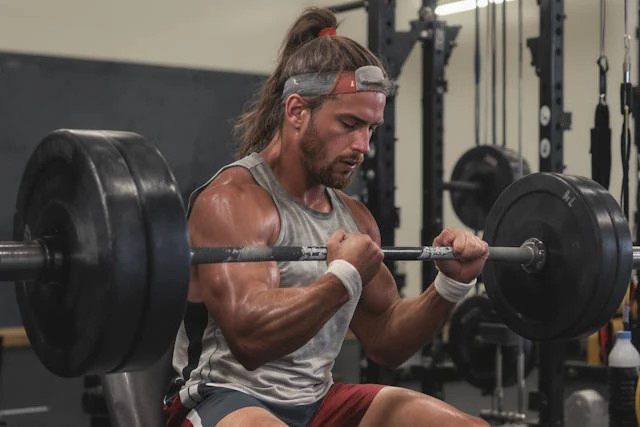
Physical training is really a lesson in coping. When you get tired‚ you learn to keep going. When you don't succeed‚ you learn to try again. Every repetition is practice in patience and focus. That is why people who stick with sport develop not only muscles but also mental resilience. The routine becomes daily practice in self-management - knowing when to push forward and when to stop and breathe.
Choosing a Format That Suits Your Personality
For a sports routine to become a lasting habit‚ it has to suit your personality and your life situation. Some people prefer a group setting that creates a sense of belonging‚ while others find strength in training alone. The key is to identify the environment that motivates you rather than drains you. When you choose an activity by listening to yourself‚ body and mind work together. This creates a real connection between the desire to move and the enjoyment of it.
How a Strong Body Changes Body Language
As the body gets stronger‚ body language changes too. Posture straightens‚ breathing opens up and your gaze becomes more confident. These changes are almost unconscious - they happen on the inside and show on the outside. People who exercise regularly radiate confidence without meaning to. Physical stability becomes inner stability that can be felt in every interaction. The result is a sense of presence based not on force but on calm.
Dealing with Personal Limits
A sports routine also teaches the body's limits. It shows when to listen to fatigue and when it is only a mental obstacle. This distinction - between a real limitation and fear - is the heart of mental resilience. Those who learn to recognize the difference in training learn to apply it in life too. In this way‚ physical activity becomes a tool for self-awareness that helps you understand when to keep going and when to let go.
The Link Between Movement and Self-Expression
Movement can also be a language. Dancing‚ yoga‚ walking or even running are ways to express an emotional state. When you let your body speak for you‚ a door opens to inner calm. Free movement lets you release tension‚ clear your thoughts and regain a sense of lightness. This physical expression reconnects the outside and the inside‚ effort and rest‚ control and release.
How a Steady Rhythm Shapes Your Day
A sports routine serves as an anchor in a changing reality. Simply having a fixed time when the body gets attention strengthens the sense of stability. When there is order‚ other areas of life are affected too - nutrition‚ sleep and the ability to focus on work or studies. Every regular physical activity is a reminder that the body is part of the day‚ not an add-on to it. This creates a sense of harmony that radiates into every other area.
Your Social Circle as a Supportive Environment
One of the most important factors in sticking with a routine is social support. When you train with others‚ a sense of mutual responsibility develops. A little encouragement or a look from a training partner can change your whole attitude. Knowing that you are not alone on the journey makes persistence easier and the experience more positive. That support strengthens not only your muscles but also your sense of worth and confidence.
How a Routine Changes Self-Perception
Over time‚ a sports routine changes the way a person sees themselves. The body becomes less of a "project" and more a part of who you are. Progress is measured not only in numbers but in an inner feeling: relief‚ calm and the joy of movement. Self-confidence doesn't come only from appearance but from knowing that you can stay consistent and face challenges. It is confidence based on doing‚ not on results.
Summary
A sports routine is much more than physical activity - it is a relationship with yourself. Through movement‚ the body teaches persistence‚ attentiveness and balance. Every workout‚ even the shortest‚ is a reminder that the strength is already inside you. When physical activity becomes an integral part of life‚ self-confidence grows on its own. In the end‚ it is not just about a healthier body but about a person who feels more stable‚ calmer and better able to handle whatever comes.