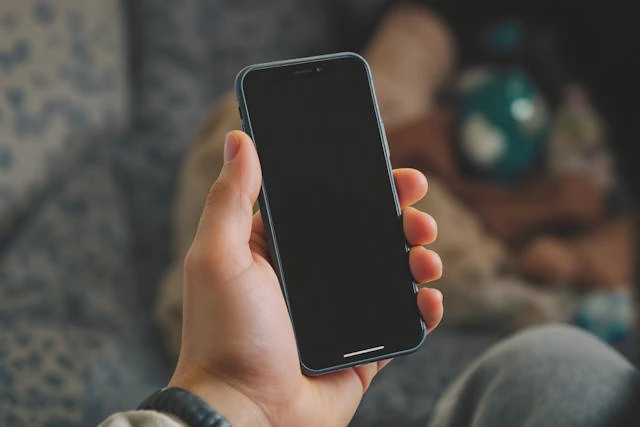

The Habit of Opening a Screen for No Reason
Why your hand reaches for the phone on its own‚ how the habit affects focus and the body‚ and what screen-free moments and boredom can give back.
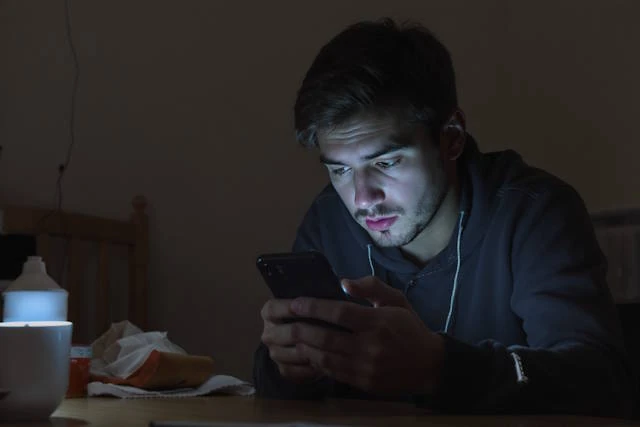
Constant Access That Blurs Free Time and Real Life
In the past‚ checking the news‚ hearing a song or chatting with a friend required a conscious decision. Today everything is a single swipe away. The line between free time and real living time has been completely blurred. The screen is always there‚ inviting another look‚ another small update‚ another round of scrolling. When the brain gets used to the idea that every moment can be filled with information‚ it forgets what silence looks like. The result is that even when everything is calm‚ the hand reaches out by itself - just so as not to feel a single moment of emptiness.
The Illusion of Control Versus the Habit That Runs Us
Many people convince themselves that their screen use is fully under control: "I am just checking something small"‚ "it is only a few minutes". In practice‚ the algorithms and designs of devices were built precisely to make your sense of time evaporate. The sound‚ the light‚ the colors and the animations work together to create a small thrill every time. The more often that thrill returns‚ the stronger the pattern of psychological dependence becomes. The hand does not ask whether it is needed - it simply acts. The moment an action becomes automatic is the moment control passes from the person to the habit.
The Ongoing Need for Outside Approval
Opening the screen is not only curiosity - it is a search for approval. A like‚ a message‚ a system notification‚ an update all give a sense of presence. Even if there is no real message‚ the act of checking creates momentary satisfaction. It is a deep emotional mechanism that seeks to say: "I exist in the digital world‚ people see me". The more this need is met through the screen‚ the harder it becomes to find real satisfaction in the world outside it. That is one of the reasons why many people check their phone by instinct even in face-to-face conversations‚ as if something more important were happening there.
How Small Moments Affect the Quality of Focus
Opening the screen again and again creates mental fragility. Every time the hand reaches out to check‚ the brain goes through a process of disconnecting and reconnecting. This switching harms the ability to concentrate for long periods‚ to learn in depth or simply to be present in the moment. Even when you are not actually looking at the screen‚ knowing it is there within reach keeps your mind on alert. It is a state of constant alertness that imitates calm but in fact creates ongoing fatigue.
The Temptation of Endless Information
The screen promises a world of endless knowledge‚ but in practice it mostly streams shallow stimuli. Every time you open the screen‚ it leads into dozens of new contexts - links‚ photos‚ videos - most of which contribute nothing. The illusion of "useful information" covers up the fact that most viewing is the result of habit‚ not real interest. Information itself has become an emotional consumer product - something that is there to provide a sense of activity‚ even when it has no purpose.
The Physical Side of a Digital Habit
The eyes get tired‚ the neck stiffens‚ the fingers press the same spot over and over - the body reacts to this digital habit no less than the mind does. When the screen is open for many hours a day‚ it also changes the body's physical patterns: hunched sitting‚ long periods without movement‚ unconscious pauses in breathing. All of these create another cycle - the more tired the body is‚ the easier it is to escape into the screen instead of dealing with the tiredness itself.
Choosing Screen-Free Moments
It takes courage to do nothing. A conscious choice to leave the screen closed even for short moments - while waiting‚ before sleep‚ on a short walk - can change your whole inner feeling. These are not "rules" or "challenges" but opportunities to experience quiet again. The more such moments you create‚ the sharper your ability to recognize when the hand reaches out from real need and when from habit.
The Role of Tech Design in Creating the Habit
The habit of opening a screen for no reason is not only personal - it is the result of entire systems designed to grab attention. The bold icons‚ the red notifications‚ the little numbers announcing something "new" were all designed to draw the eye. This process has created a living environment in which it is almost impossible to ignore screens. Understanding that design affects behavior makes it possible to create change - not by fighting the habit itself but by understanding what lies behind it.
Returning to the Value of Boredom
Boredom‚ once considered an enemy‚ is now becoming a rare asset. It is a state in which thoughts wander‚ the imagination works and the mind rests. When the screen comes out at every empty moment‚ boredom disappears - and with it the ability to reflect‚ dream and create. It is boredom that gives birth to new ideas and creative solutions. So when you avoid opening the screen automatically‚ you are not "wasting time" but giving yourself back the space in which free thought can exist.
Silence as a Conscious Choice
Every time the screen stays closed‚ a window of quiet opens. That quiet is not emptiness - it is a chance to return to a basic sense of presence. There is something in it that restores proportion: the world keeps going without an update and without a notification. In these moments it becomes clear that real life does not happen on the screen but around it - in conversations‚ in facial expressions‚ in the small breezes that move the day along.
In Summary
The habit of opening a screen for no reason seems minor‚ but it shapes a large part of the modern day. It affects attention‚ focus‚ relationships and the ability to be truly present. Change does not begin with a dramatic decision but with a simple observation - noticing the moment the hand reaches out on its own. Once you notice that moment‚ a door opens to choose differently. Not necessarily to close the screen forever‚ but simply to know when to put it aside and let the world outside it come in.