

7 Creative Hobbies That Build Confidence and Bring Interest Into Your Routine
Photography‚ ceramics‚ writing‚ dance‚ cooking‚ woodworking and choir singing: seven creative hobbies that build confidence through practice.
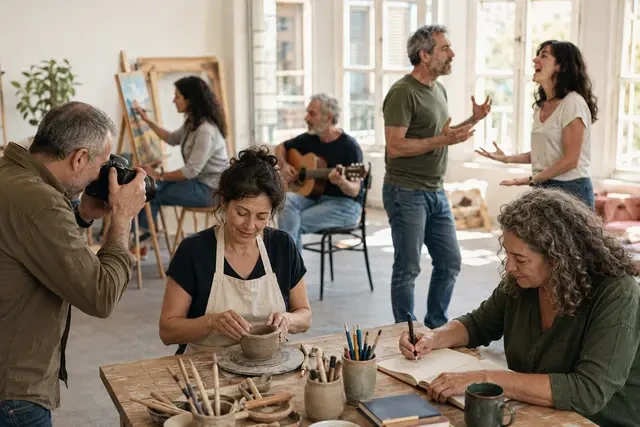
One option is an acting course‚ where you practice presence‚ listening and working with a group; there are also programs designed for complete beginners. Alongside it there are many other fields‚ and each one builds confidence in a different way. The right choice is not the hobby that looks most impressive from the outside‚ but the one you want to return to even after a busy week. The common thread between these hobbies is the chance to meet a new skill without it having to become a profession. The experience itself creates a space where it is fine to be a beginner‚ to ask‚ to make mistakes and to discover a preference you did not know you had. When the choice is driven by curiosity rather than pressure to excel‚ a hobby can bring a sense of play and movement back into the week.
1. Photography That Sharpens the Eye
Photography teaches you to stop and choose. Instead of walking past a street‚ a face or a play of light‚ you start to notice the frame and the moment. You do not need an expensive camera; a phone is enough to practice composition‚ color and storytelling. When you shoot regularly‚ you see tangible progress and develop a personal language. Confidence grows from deciding what to put in the picture and what to leave out. You can start with a small project: one window a day‚ people at work or details of the city. A clear limit reduces the pressure to "shoot something beautiful" and shifts the focus to observation.
2. Ceramics and the Feel of Clay
Working with clay brings your attention back to your hands. The material responds to pressure‚ water and speed‚ so it cannot be controlled by thought alone. Mistakes sometimes turn into a new shape‚ and the practice teaches patience without a lecture on patience. Even a simple bowl made in a first lesson can give a strong sense of achievement. Ceramics suits people who enjoy a slow pace and a process with stages. Drying and firing require waiting‚ so the result is not immediate. That very distance between making and receiving the finished piece lets you value the journey and not just the end.
3. Personal Writing Without an Audience
Writing can begin in a notebook that nobody reads. Ten minutes in the morning‚ a description of a moment or a letter that will never be sent can organize your thoughts and strengthen your inner voice. When there is no obligation to publish‚ it is easier to experiment with style‚ humor and honesty. If you prefer a framework‚ you can join a group‚ but it is worth keeping room for private texts too. Confidence in writing comes when you stop checking every sentence as you write it. Editing can come later; at the first stage it matters to let the words appear.
4. Dance as a Connection with the Body
Dance is not reserved for people who learned it as children. Social dances‚ modern dance or a free movement class offer different ways to feel rhythm and space. At the start‚ embarrassment is natural‚ especially in front of a mirror or a group. Over time the body learns sequences‚ and small successes replace the thought that everyone is watching. It is worth choosing a teacher who explains respectfully and allows for different levels. An overly competitive setting can make you close up‚ while a space that invites experimenting strengthens presence. The goal is not the "right" body but a livelier connection with the body you already have.
5. Cooking an Unfamiliar Cuisine
Getting to know a new cuisine combines research‚ aroma‚ taste and precision. You can pick one country and learn a different dish each week. Cooking produces a result you can share with others‚ so it is also a natural way to bring people together without having to lead a formal conversation. Confidence grows as you learn to correct: to balance acidity‚ add liquid or change a texture. The recipe gives a framework‚ but with experience your senses get more room. Even a dish that did not come out perfectly gives you information for next time.
6. Small Woodworking and a Sense of Capability
Woodworking connects planning and execution. A small shelf‚ a stool or a box requires measuring‚ joining and finishing. The result is useful‚ but the satisfaction also comes from understanding the tools and being able to solve a real problem. It is important to start in a safe environment and with proper guidance. A first project should be simple enough to finish. A task that is too big can lead to frustration and demand a lot of equipment. When you complete something small‚ it is easier to choose the next challenge and understand which parts of the process really draw you in.
7. Group Singing and Your Own Voice
A choir or singing group lets you use your voice without carrying the whole stage alone. Your own sound blends into the group‚ but you still need to listen‚ breathe and come in on time. The mix of belonging and personal responsibility builds confidence gently. You do not need to read music. Many groups work through repetition and listening. The regular meetings‚ the shared repertoire and the feeling that something big is created from several voices give your routine a social and creative anchor.
A Choice That Lasts Over Time
Before signing up‚ it is worth checking the pace‚ the location and the atmosphere. A hobby that fits in principle but requires a long drive at an impossible hour will not last. A trial class helps you get a feel for the teacher and the group. It is also a good idea to give a new field a few sessions before deciding; initial embarrassment is not a sign that the choice is wrong.
Tracking Progress Without Turning It Into a Competition
A photo of a first piece‚ a short recording or two lines written after a session let you see change that is not always felt in real time. The record is there to remind you what was hard and what has become natural‚ not to compare your pace with others. You can choose a personal measure such as persistence‚ willingness to try or enjoyment of the process‚ and look at it once a month. This approach keeps a sense of progress even when the result is not yet polished. It also helps you notice whether the class still sparks curiosity or has become just another task‚ and adjust before the interest fades.
In Summary
Photography‚ ceramics‚ writing‚ dance‚ cooking‚ woodworking and singing offer different gateways to creativity. All of them build confidence through repeated practice‚ small mistakes and progress you can feel. There is no need to choose a hobby for life. It is enough to choose a beginning that intrigues you‚ show up regularly and let yourself be a beginner without apology. Confidence is built from small repetitions‚ focused feedback and the ability to get back on track after a mistake. That way creativity remains a movement you can practice rather than a trait you either have or do not.