

How the Seasons Change Our Desire to Shop
Spring‚ summer‚ autumn and winter each shape our mood and spending in different ways‚ and knowing these seasonal habits helps you shop mindfully.
Spring - Renewal That Asks for a New Space
Spring symbolizes a new beginning‚ and in the world of consumption it also brings a sense of freshness. The days grow longer‚ the temperature evens out and the body feels the need to move‚ go out and get some air. This is the season when a desire for change is born - tidying the house‚ buying light clothes‚ looking for new flavors in the kitchen. It is also the time when brands recognize this need and offer items that convey cleanliness‚ color and lightness. Spring is not only a season of blossoming in nature but also a season when people open up to new possibilities and seek refreshment and a new identity through what they buy.
Summer - Consumption That Seeks Freedom and Simplicity
The Israeli summer is marked by heat‚ movement and a fast pace. As temperatures rise‚ the desire to consume changes - fewer heavy purchases‚ more experiences‚ outings and instant spending. People are drawn to products that give a sense of coolness‚ freshness and release: airy clothes‚ light food‚ short vacations and accessories that make everyday life easier. Summer is a season of emotion‚ when shopping becomes a means of self-expression and a small escape from routine. Every purchase‚ big or small‚ comes with a feeling of "we deserve to enjoy ourselves a little".
Autumn - The Shift from Outside to Inside
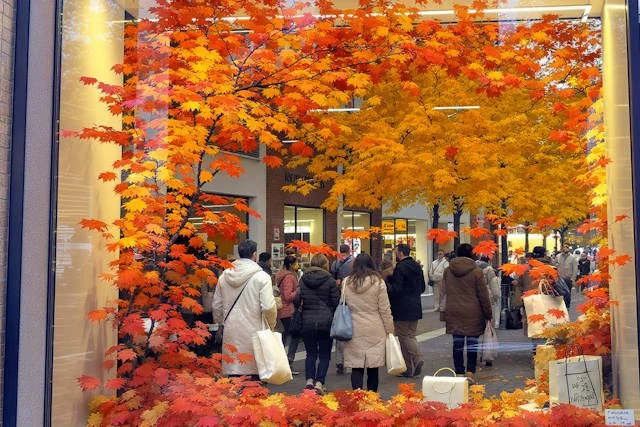
With the first breeze and the change in the color of the sky‚ an inner change takes place as well. Autumn marks a return inward - to the home‚ to order‚ to the familiar. Shopping becomes less impulsive and more planned. There is a desire for stability and a feeling of warmth. This is the season when shopping habits linked to comfort are born: blankets‚ pleasant scents and items that combine function with beauty. A similar trend appears in food - soups‚ stews‚ hot coffee. Autumn is a season when consumption is driven by a deep emotional need for belonging and security.
Winter - Shopping as Protection from the Cold
Winter brings an almost physical change in the way people think about shopping. The cold weather means more time at home and a greater need to feel protected. Shopping takes on an emotional tone: a search for warmth‚ soft lighting and spicy scents. People spend more on items that strengthen a sense of comfort - blankets‚ candles‚ warm clothing and home technology that makes daily life easier. Food also becomes richer and heavier‚ and shopping centers on cooking supplies and ingredients that invite you to spend time at home.
How the Weather Affects the Pace of Shopping
Heat‚ cold‚ humidity or dryness directly affect mood and the kinds of things we buy. On hot days there is a drop in purchases that require thought or effort‚ while on cold days the need for products that bring instant comfort rises. Even sunlight changes our attitude toward spending - the more light there is‚ the greater the tendency to spend money. The sun inspires optimism‚ and optimism turns into a desire for something new. That is why transitional seasons‚ when the weather changes frequently‚ also create swings in consumption - from restraint to desire‚ from logic to emotion.
The Influence of Local Culture on Shopping Seasons
In Israel‚ the seasons blend with the cycle of holidays and vacations. Spring is colored by preparations for Passover‚ summer by spending on vacations‚ autumn by Rosh Hashanah and winter by Hanukkah. Each period has its own cultural and social context‚ and these matter no less than the weather. Consumption does not revolve only around physical need but also around symbols of renewal‚ cleanliness‚ family or celebration. This is why Israeli consumer behavior is driven by a complex combination of seasons‚ tradition and culture.
The Psychological Effect of Color and Light
Light and color directly affect mood - and therefore the desire to buy. In summer and spring‚ colors are bright‚ which evokes a sense of freedom and openness. In winter and autumn‚ the tones become warm and deep‚ while also creating a need for stability. Stores and brands make use of this dynamic: warm lighting on cold days‚ colorful shop windows in spring‚ soft textures in winter. It is not just a question of design - it is a psychological understanding of the connection between climate and the mind.
Adapting Your Habits to the Rhythm of the Seasons
When the goal is to keep a balance between need and desire‚ it is worth knowing the patterns that lead each of us to excess or to moderation. In winter‚ for example‚ there is a tendency to consume more because of loneliness or boredom; in summer‚ because of a feeling of "living in the moment". Those who recognize their personal seasonal pattern learn not only to save but also to consume in a more mindful and healthier way. Such awareness allows shopping to be not just an emotional reaction but a choice that improves quality of life.
Seasonal Sales as a Mirror of Public Mood
Stores and brands operate according to the cycles of the year‚ but they also respond to the spirit of the times. When spring brings new energy‚ the campaigns are colorful and full of life. In winter‚ advertising talks about warmth and quiet. This link between the weather and the language of marketing creates a cycle of mutual influence: consumers are affected by the messages‚ and brands are affected by the public mood. It is an ongoing relationship between nature‚ society and the economy.
In Conclusion
The seasons affect consumption no less than they affect mood. Each period brings different needs‚ different emotions and values that shape the way people buy‚ refresh and change. Understanding that the desire to consume is linked to the weather‚ light‚ culture and the mind allows you to act out of awareness rather than impulse. When you recognize this connection‚ consumption becomes more natural‚ more balanced and‚ above all‚ a reflection of the inner rhythm in which we all live along with the seasons of the year.