
Harmony That Starts with the Height of Your Lighting
The height of a light fixture shapes how big a room feels‚ how its materials look and even the mood that fills the home.
How Light Height Shapes the Sense of Space
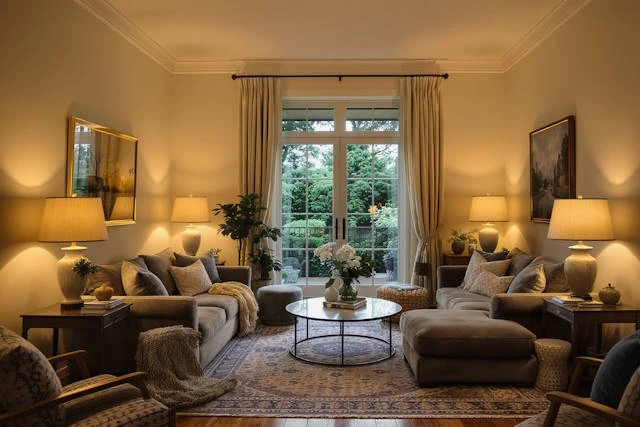
The height of a light dictates how the eye perceives the true height of a room. A low-hanging lamp creates a sense of closeness‚ a kind of frame that embraces those sitting beneath it. High‚ open lighting‚ on the other hand‚ makes the space look roomier and lighter‚ though sometimes less personal. In areas such as the living room or dining corner‚ changing the height of a bulb by just a few centimeters can turn a room from overlit or cold into balanced and inviting.
Light as an Extension of the Architecture
The relationship between light and the structure of the home matters no less than the light itself. A high ceiling calls for lighting that connects it to the human scale - pendant lamps‚ adjustable spotlights or indirect lighting that visually "lowers" the height. Low rooms‚ by contrast‚ benefit from flat light sources that emphasize width rather than height. In this sense‚ lighting becomes an architectural tool that corrects proportions and balances the structure of the space.
Choosing the Type of Light by Height
It is not only the height that matters but also the type of light. Warm light at a low height creates warmth and focus‚ while cool light from above gives a sense of cleanliness and precision. In the kitchen‚ for example‚ it is a good idea to combine broad overhead lighting with low‚ focused light above the work surfaces. In the living room‚ by contrast‚ light at medium height lets the eyes rest and strikes a balance between brightness and softness. The right combination of height and type of light turns lighting from a practical device into an element of atmosphere.
Matching the Lighting to the Character of the Room
Every room in the home holds a different dialogue between the lighting and the people in it. In the bedroom‚ for example‚ light is meant to calm - a low height and soft light help the body slow down. The kitchen needs precision‚ so the lighting is high and focused. In children's rooms it is better to choose even‚ non-glaring light from medium angles to avoid visual overload. This kind of matching creates a sense of order and belonging‚ as the light "speaks" the same language as the rest of the design.
The Link Between Lighting Height and the Materials in the Room
Wood‚ glass‚ metal or concrete - every material reacts differently to light. High lighting emphasizes reflections and shine‚ while low lighting brings out textures and surfaces. In a home with dark walls‚ low focused light can feel too heavy; in bright areas‚ on the other hand‚ it can add depth and warmth. Harmony is born when the height of the light corresponds with the colors‚ textures and materials around it‚ creating a unified sense of flow between all the elements.
How Lighting Affects Your Mood
Light affects the body no less than it affects vision. Lighting that is too bright stimulates alertness but can also create tension. Light that is too dim causes fatigue‚ but in the right measure it brings calm. The height of a light changes how it is perceived - a high lamp spreads light evenly‚ while a low lamp focuses attention. This way you can shape not only how a space looks but also the emotional energy within it.
The Balance Between Function and Aesthetics
Good lighting design requires combining beauty with practicality. High light suits everyday tasks‚ while light at medium height allows intimacy and conversation. When planning lighting at home‚ it is important to see it not only as a design element but also as a behavioral one - how it makes people sit‚ move and talk. Harmony arises when the lighting serves its purpose without stealing attention‚ when it is present but not dominant.
Natural Light as a Guideline
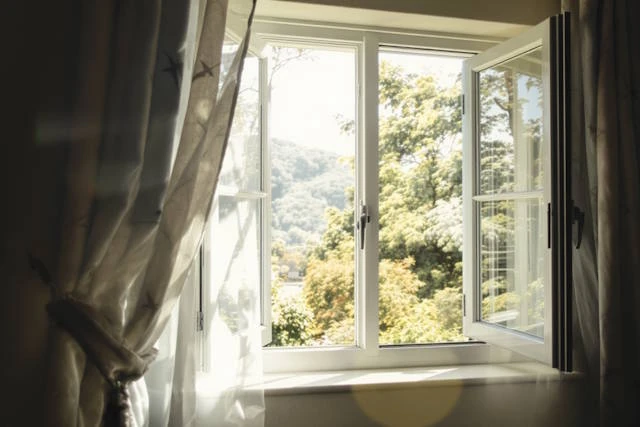
Before deciding on the height and tone of artificial lighting‚ it is worth observing the natural light. It sets the balance point of every room. Rooms that are well lit by daylight need only supplementary lighting‚ while enclosed spaces need light that imitates a sense of openness. Using lamps at varying heights - some closer to the table‚ others to the ceiling - lets you mimic the movement of light throughout the day and gives the home a sense of naturalness and harmony.
How Lighting Affects Your Sense of Time
The height of lighting also affects the sense of rhythm in the home. Constant overhead light keeps people alert and focused‚ while low lamps create a feeling that the day is ending‚ an invitation to rest. A small change in height or intensity can signal to the brain when it is time to work and when it is time to relax. In this way‚ lighting becomes not only a design tool but also a gentle inner clock that syncs the day with the energy of the household.
Harmony as a Balanced Contrast
Not every room needs uniform light. Sometimes it is precisely the contrast between areas lit at different heights and darker areas that adds depth and interest. True harmony is not uniformity but a sense of balance. Varying the lighting height within the same room - a low lamp above the table‚ indirect light on a wall‚ a high fixture in the center - can create layers of light that highlight the beauty of the space and bring it to life.
In Conclusion
The height of lighting may seem like a minor detail‚ but in fact it is both a design and an emotional foundation. It affects how the home is perceived‚ how it feels‚ its rhythm and even the mood. True harmony is created when light does not just illuminate but blends in‚ listens and adapts itself to the space and its residents. In the end‚ the right light at the right height is not just a matter of design but of an inner balance that you feel every moment the home is lit exactly as it should be.