

Used Tools for Home and Garden: What to Check Before You Pay?
How to check a used home or garden tool before buying: the motor at work‚ the battery and charger‚ cables and guards‚ and a fit for your surface.
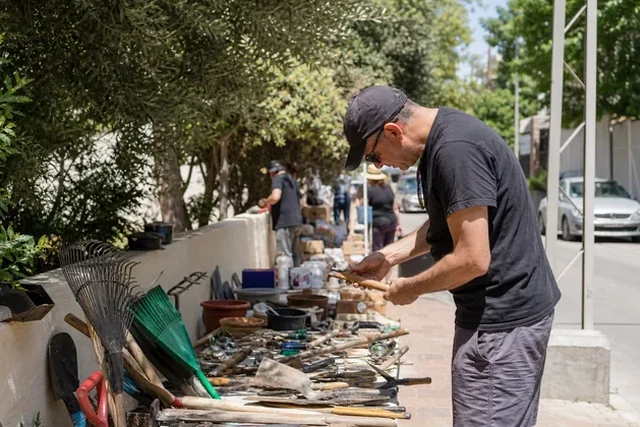
The first rule is to think about whether this particular tool is worth buying used at all. Some tools are simple and durable‚ like hammers‚ wrenches and hand garden tools‚ and almost never break‚ while others depend on the condition of their internal parts‚ battery or motor. Then there are specialized tools‚ such as a dedicated synthetic grass brush or a surface cleaning machine‚ where it is especially important to make sure the tool suits your surface and will not wear it down. Here is what to check before you buy‚ by type of tool.
Testing the Tool While It Runs
The most important check for a power tool is to switch it on. Ask the seller to run the tool in front of you‚ listen to the motor and pay attention to unusual noises such as whistling‚ squeaking or knocking. A burning smell or visible sparks through the vents are a sign of a motor problem. If the tool has several speeds‚ test all of them. If the seller will not run the tool or suggests you test it at home‚ it is better to walk away. A seller who is confident in the tool will be happy to show it working.
Battery and Charger
In cordless tools the battery is often the most expensive part‚ and it is also the part that wears out first. An old battery may last a few minutes instead of half an hour‚ and a replacement sometimes costs almost as much as a new tool. Ask how long the battery lasts‚ check whether the original charger is included‚ and ask to see the tool working on a charged battery for a few minutes. It is also worth checking whether the model is still sold‚ because batteries for older models are hard to find.
Cables‚ Handles and Guards
A cracked power cable‚ one patched with tape‚ or a broken plug is a reason to pass on the tool right away‚ or at least to plan a replacement by an electrician. On tools with blades‚ such as saws and mowers‚ check that all the guards are in place and have not been removed to "work faster". Loose or cracked handles make the tool harder to control and raise the risk of an accident. On petrol garden tools‚ also check the filter‚ the spark plug and whether there is a fuel leak.
Matching the Surface and the Job
A tool that suits your neighbor's garden does not necessarily suit yours. A mower that is too powerful for a small yard will be clumsy‚ and a brush that is too stiff for a delicate surface may scratch it. Synthetic grass‚ for example‚ needs a tool that lifts the fibers and cleans leaves and dirt out of them without tearing them or pulling out the sand infill. Before buying‚ check the surface manufacturer's recommendations and make sure the tool meets them‚ even if its price is especially low.
When Is It Better to Buy New?
There are cases where the savings are not worth the risk. Tools used for working at height‚ safety gear such as helmets and protective glasses‚ and tools whose warranty matters to you are better bought new. Even when the price gap is small‚ say twenty or thirty percent‚ it is worth considering a new tool with a full warranty and importer support. And if you need the tool once a year‚ it may be better to borrow it from a neighbor or rent one.
The Bottom Line
Buying a used tool can save a lot of money‚ provided you check it properly. See the tool working‚ check the battery and charger‚ look for faults in the cables and guards‚ make sure it suits your surface and your needs‚ and know when to walk away and buy new. That way the tool from the ad will serve you for years instead of ending up in the shed after a single use.