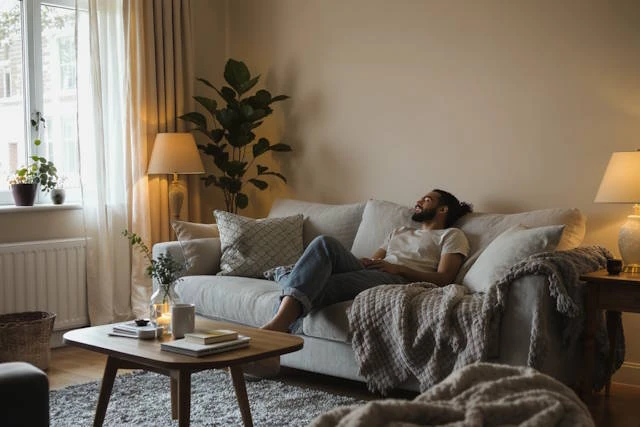

The Right Lighting That Softens the Whole Home
How the right lighting changes the mood of a home - light tones‚ daylight‚ layers of lighting‚ fixture placement and smart technology.
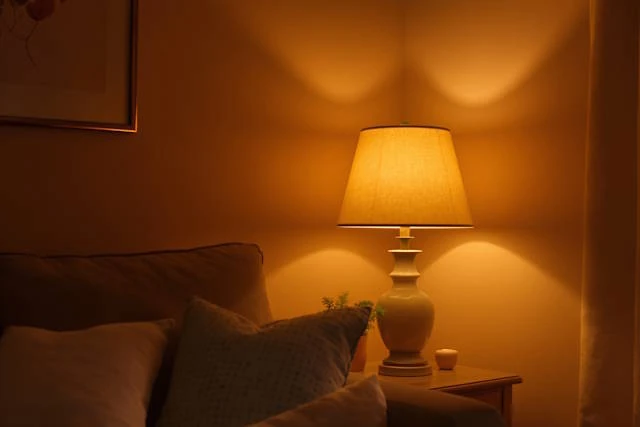
Light as an Emotional and Sensory Factor
Light affects body and mind more than we tend to think. Light that is too strong makes us alert‚ but it can also cause fatigue and restlessness. Soft lighting‚ by contrast‚ creates a sense of calm‚ brings tranquility and encourages relaxed communication among the people at home. That is why‚ when planning lighting‚ it is worth thinking not only about what we see but also about what we feel. Every room needs a balance between functional light and emotional light - light meant for everyday use alongside light that serves the atmosphere.
How Light Tones Shape the Atmosphere
Color temperature - what is often called "light tones" - affects the way the brain perceives a space. Cool white light conveys cleanliness and sharpness‚ but it mainly suits work areas or the kitchen. Warm‚ golden light flatters skin‚ furniture and natural materials and creates a sense of warmth reminiscent of late afternoon light. In bedrooms and family spaces it is better to use warm‚ soft tones‚ while kitchens and work rooms have room for brighter light. A thoughtful play between tones makes it possible to move between alertness and calm according to the time of day.
Natural Light as the Basis of Every Space
Before you start planning light fixtures‚ it is important to consider natural light. The direction of the sun‚ proper shading‚ the size of the windows and the ability to open up the space have more impact than any artificial lighting. The right daylight brings out the colors of the walls‚ reduces the need to switch on lamps and strengthens the feeling that the house "breathes". Even sheer curtains or translucent pergolas can serve as subtle tools for regulating light. When natural light is used well‚ a connection forms between the inside of the home and its surroundings‚ and the result is a sense of complete harmony.
Layers of Light as a Design Tool
One of the secrets of pleasant lighting is using different layers of light: general lighting‚ task lighting and decorative lighting. General lighting spreads an even light and gives a sense of space‚ task lighting highlights specific areas such as a dining table or a reading corner‚ and decorative lighting adds a personal touch - wall lamps‚ LED strips or artificial candles. Combining them makes it possible to change the atmosphere at home at any moment‚ according to the hour‚ the mood or the activity taking place.
Placing Light Fixtures Correctly
The placement of light fixtures directly affects how comfortable a room feels. A lamp placed too high creates a sense of distance‚ while one placed too low can cause glare. It is important to ensure a balanced spread of light‚ so that every part of the room is lit well enough without creating harsh shadows. In living rooms it is recommended to combine gentle overhead lighting with floor or table lamps that add depth and warmth. The spacing between wall lamps or ceiling fixtures also affects uniformity and overall balance.
Lighting That Enhances a Sense of Space
In small homes‚ light can be used to "enlarge" the space. Even lighting aimed at the walls creates a sense of openness‚ while lighting that is too focused can make a space feel smaller. Well-placed mirrors also reflect light and create a sense of depth. It is worth remembering that brightness alone does not decide the result - direction‚ diffusion and shadows are what shape the sense of size. Sometimes one bulb in the right spot can completely change how a room feels.
The Balance Between Function and Aesthetics
Light is both a practical tool and a design element. Light fixtures are chosen not only to illuminate but also to blend into the overall design of the home. Pendant lights create focal points‚ floor lamps add depth and elegance‚ and concealed light strips give a modern‚ clean look. At the same time‚ it is important to keep a consistent and harmonious look - uncoordinated lighting can create a sense of clutter. The aim is for every light source to serve a clear purpose while remaining part of the home's design story.
The Psychological Effect of Light
Light affects our sense of time‚ our mood and our energy levels. Soft lighting in the evening signals the body to prepare for rest‚ while light that is too strong can disrupt the sleep cycle. Beyond that‚ precise lighting creates a sense of security and reduces the feeling of overload. People tend to spend more time in spaces that are well lit but not glaring. In this way‚ the right lighting improves not only how a home looks but also the quality of life inside it.
Technological Innovations That Allow Flexibility
Modern technology allows precise control over lighting - gradual dimming‚ color changes according to the time of day and even smart management through an app. Being able to change the intensity of light according to mood or need gives a design freedom that did not exist in the past. You can switch from work light to evening light with a single tap. Smart lighting also saves energy‚ because it is set to operate only when needed and in the right amount.
In Conclusion
Light is the beating heart of the home. It is what softens the edges‚ creates balance between different spaces and connects the people who live there. The right lighting is not only a matter of design but of quality of life - it affects mood‚ health and the sense of belonging. Understanding the principles of lighting and applying them with thought and precision makes it possible to turn any home‚ small or large‚ into a space that feels right‚ warm and relaxed. When the light is soft and well planned‚ every detail in the home finds its place‚ and every day looks a little brighter.