
Why Is a Sense of Quiet Worth More Than Another Square Meter?
Why a quiet home affects health‚ sleep‚ family relationships and property value more than extra square meters of living space.
The Human Need for a Calm Space
A home is not just a building but a system of feelings. People long for a place where they can breathe‚ disconnect and recharge. Over time it becomes clear that quiet is not a luxury but a basic need. A noisy environment - whether from a busy street or nearby neighbors - affects heart rate‚ sleep quality and concentration. So the decision to live somewhere quiet is not only about comfort but about overall health. Constant noise turns a home from a place of rest into a source of stress‚ even if it is large and impressive.
The Inner Voice That Asks for Calm
When the surroundings are noisy‚ the mind struggles to settle. Every rustle or movement becomes a distraction and blocks that deep feeling of "home". In many cases‚ it is precisely people living in luxury apartments in city centers who report sensory overload. Meanwhile‚ those living in a small but quiet apartment describe a much higher quality of life. Quiet lets you experience your inner space - to think‚ create and rest. This realization turns the criteria for choosing an apartment upside down - less about size‚ more about feel.
How Quiet Affects Relationships at Home
In a quiet home‚ conversation is calmer. Outside noise or crowding sometimes creates an unexplained tension that also affects the atmosphere between family members. Studies show that a quiet environment reduces conflict and increases a sense of closeness. In this sense‚ quiet is not just an environmental condition but a component of communication. It allows people to truly listen‚ understand and feel each other's presence. Constant noise‚ on the other hand‚ even if it seems minor‚ wears down patience and causes emotional fatigue.
The Mental Cost of Urban Overload
City life offers proximity to shopping centers‚ work and friends‚ but it also brings noise‚ pressure and overload. Crowded streets‚ honking horns and nonstop traffic create a sense of constant alertness. Even when the home is spacious‚ the mind doesn't relax. Finding quiet in such a space becomes a daily challenge. That is why many people are starting to look for new solutions - apartments in the suburbs‚ small houses in green areas or even acoustic spaces that block out noise. It is not just a change of location but a change of mindset: well-being is measured in quiet‚ not in floor space.
Design That Creates Calm
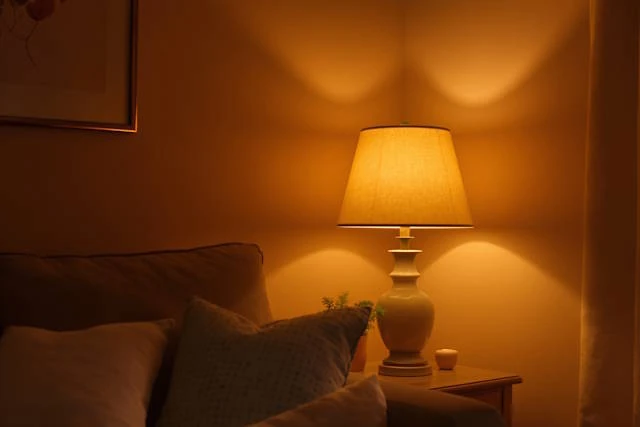
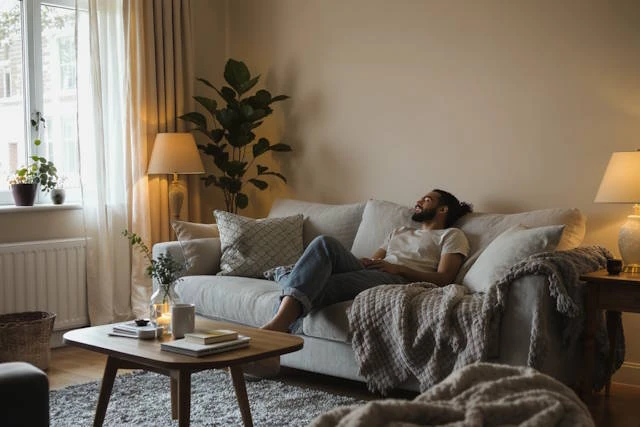
Even in a small home‚ you can create a sense of quiet through smart design. Natural materials‚ soft lighting and open layouts all contribute to a feeling of calm. Small details like heavy curtains‚ insulated walls or calming colors have a deep psychological effect. Quiet is not just the absence of noise - it is a sense of harmony between the elements. When design takes this need into account‚ any space - even a small one - becomes a home that brings calm and eases emotional strain.
Choosing Quiet as a Long-Term Investment
Many people see quiet as a temporary advantage‚ but in practice it is a long-term investment. A home in a calm area holds its value for years‚ precisely because demand for peaceful spaces keeps growing. People are willing to give up an extra room or a central location in favor of real quality of life. This trend is changing the face of the real estate market - the value of quiet is becoming a new measure of housing quality. And in many cases‚ places a little farther from the center offer the combination of accessibility and calm.
How Quiet Affects Daily Functioning
Quiet is not just a pleasant experience - it directly affects how we function. People who live in a calm environment perform better at work‚ focus better when learning and feel less burnout. Children who grow up in a quiet home also enjoy better attention spans and a greater sense of security. So when viewing an apartment‚ it is important to look beyond the walls and also gauge the level of ambient noise. Every sound or silence changes the way body and mind work.
Choosing a Space That Lets You Breathe
The modern world makes high demands‚ and home is supposed to be the place that lets you breathe. Those who choose to live in a quiet space are really choosing to take care of themselves. It is an expression of financial and emotional maturity - understanding that quiet is not a luxury but a basic condition for a balanced life. Sometimes giving up another square meter means a far greater gain for the soul. Those who listen to their body and feelings discover that quiet takes up far more room than any extra floor space.
Summary
Quiet is not just another feature of a property - it is the heart of the matter. While square meters are used for measurement‚ quiet is what gives a home its meaning. It affects health‚ relationships‚ mood and a sense of belonging. In a world that measures everything in numbers‚ it is quiet that defines real quality of life. A small but quiet home is better than a spacious apartment full of noise. In the end‚ the most meaningful space is the one within‚ and quiet is the way to keep it open‚ balanced and full of life.